Cowley Carpet Cleaners Recycling and Sustainability
 At Cowley Carpet Cleaners, sustainability is built into the way we work every day. Our carpet cleaning recycling approach is designed to reduce waste, support local reuse networks, and lower the environmental footprint of our services across the communities we serve. We believe professional cleaning should do more than refresh homes and businesses; it should also help protect the places we share. That is why we are committed to practical, measurable actions, including a recycling percentage target of 90% for recoverable packaging, consumables, and operational waste by 2026.
Our Approach to Recycling and Waste Reduction
We sort materials carefully so that recyclable items are separated before they reach disposal. This includes cardboard, plastics, paper, and selected cleaning containers where local facilities accept them. In many boroughs, waste separation is becoming more structured, with households and businesses encouraged to keep dry mixed recycling apart from food waste and general refuse. We mirror that same discipline in our own operations, so the systems we use at work reflect the standards expected in the wider area. By following a clear recycling carpet cleaners process, we cut down on avoidable waste and make better use of existing recovery services.
Using Local Transfer Stations Responsibly
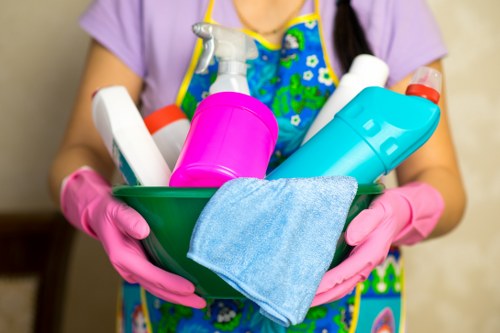 When waste does need to leave a site, we use local transfer stations where possible to ensure recyclable loads are handled efficiently and sent on to the correct treatment stream. These facilities play an important role in helping different waste types move through the right channels, especially in busy urban and suburban areas where collection services may vary by borough. Our team takes care to separate reusable textiles, packaging, and non-hazardous operational waste so that local transfer stations can process them with minimal contamination. This supports a cleaner chain of custody and helps increase the amount of material that can be recovered rather than landfilled.
Partnerships That Extend the Life of Usable Items
We also work with charities and community organisations that can make use of items no longer needed in our operations. If equipment, textiles, or small furnishings are still in good condition, we look for donation routes first. Partnerships with charities help extend the life of useful materials and support people who benefit from second-hand goods. This reuse-first mindset is a key part of our sustainable carpet cleaning commitment. Instead of treating every retired item as waste, we ask whether it can be repaired, passed on, or repurposed. That simple question often makes a real difference.
 Our environmental goals go beyond sorting and donation. We also focus on transport emissions, which are an important part of the overall impact of any mobile service. Cowley Carpet Cleaners uses low-carbon vans as part of a wider plan to reduce fuel use and improve air quality. These vehicles are chosen for efficiency, lower emissions, and practical suitability for local routes. In areas where short trips between jobs can add up quickly, cleaner transport is one of the most effective ways to lower our carbon footprint while still delivering dependable service.
Low-Carbon Vans and Cleaner Travel
By planning routes carefully and maintaining our fleet properly, we reduce unnecessary mileage and avoid wasted fuel. Low-carbon vans are only one part of the picture; sensible scheduling, shared journeys, and efficient loading all contribute to lower emissions too. This matters in towns and boroughs where traffic congestion and air quality are ongoing concerns. Our eco-friendly carpet cleaning operations aim to show that reliable service and lower emissions can go hand in hand. The goal is not just to clean carpets well, but to do so with a lighter environmental impact from start to finish.
How Local Recycling Habits Influence Our Work
We pay attention to local recycling patterns because they influence how waste should be prepared for collection. Some boroughs separate paper and card, plastics, and food waste into different streams, while others use mixed recycling with clear contamination rules. That variation means businesses must stay flexible and informed. Our team keeps recyclable materials clean, dry, and sorted wherever possible so they are more likely to be accepted by the correct facility. This careful approach helps avoid rejected loads and supports the broader recovery system used across the region.
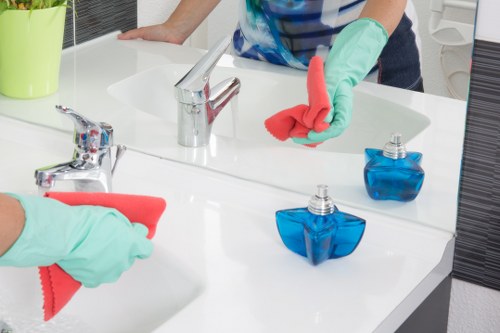 A sustainable business also depends on choosing suppliers and processes that reduce unnecessary packaging. We look for concentrated products, refill options, and materials that can be recycled after use. Where practical, we avoid single-use items and favour durable alternatives that last longer in service. These choices may seem small on their own, but together they help create a stronger recycling and sustainability culture within our company. We want every stage of the job to reflect responsible decision-making, from loading the van to managing what happens after the work is complete.
Supporting a Circular Future
Our long-term aim is to keep improving how we reduce, reuse, and recycle. That includes setting new targets, reviewing local disposal routes, and strengthening partnerships that give materials a second life. We see sustainability as a practical duty, not a slogan. By using local transfer stations, maintaining partnerships with charities, and operating low-carbon vans, Cowley Carpet Cleaners continues to build a cleaner service model for the communities we serve. The result is a business that values performance, responsibility, and the long-term health of the environment.
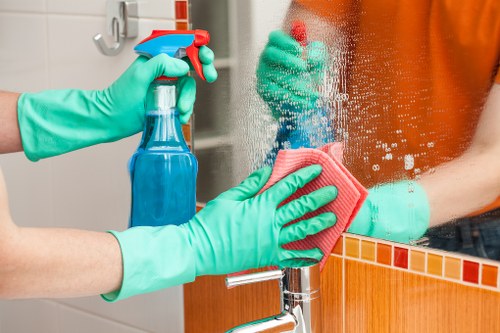 For us, carpet cleaners recycling is about more than separating waste. It is about making thoughtful choices every day and supporting the local systems that keep useful materials in circulation. From borough-led waste separation practices to community reuse and lower-emission travel, each part of our sustainability plan contributes to a more resilient future. Cowley Carpet Cleaners is proud to play its part in that progress.